

Reviewed · TRELAWNY TOURS
Make your own Bean to Bar Chocolate Factory Tour
The clever part of this Falmouth experience is that it treats chocolate as food with a past, not just a sweet treat. You follow Jamaican cacao from pod and fermented bean to roasted nib and finished bar, with local history and family farming woven into the lesson.
I like the hands-on tempering lesson, which uses a bowl, spatula, and hair dryer rather than costly equipment. I also like the personal link to the area: host Nick’s family has grown cocoa here for generations, and he brings experience as a former BBC correspondent to the story.
The main consideration is that this is an all-vegan, dark-chocolate experience, so it may not suit someone who wants milk chocolate. You’ll also need to reach the 9:00 am start at 23 Harbour Lane, with local island time in mind if you are coming from a cruise ship.
Key points at a glance
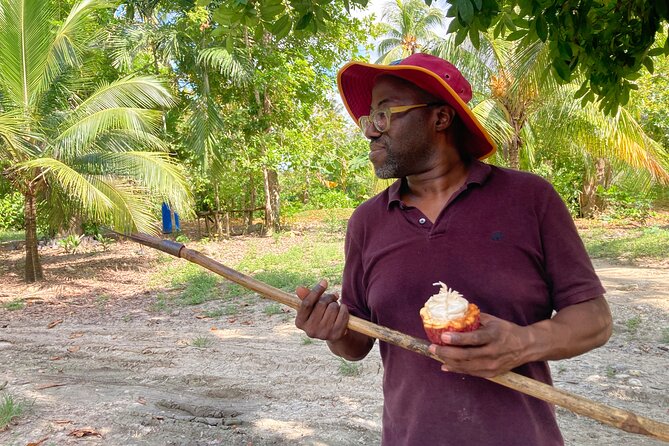
- Cacao from pod to bar: See the fruit, open the pod, and learn how beans are fermented and processed.
- Nick’s Jamaican connection: Hear about cocoa farming in his family and chocolate’s place in the island’s past.
- A real kitchen trick: Learn to hand-temper chocolate with a bowl, spatula, and hair dryer.
- Make your own bars: Add inclusions to create custom chocolate bars to take through the final reveal.
- Small morning workshop: The 90-minute activity starts at 9:00 am and accepts no more than 12 people.
- Convenient for port visits: The meeting point is in Historic Port Falmouth, near public transportation.
Chocolate begins with a Jamaican story
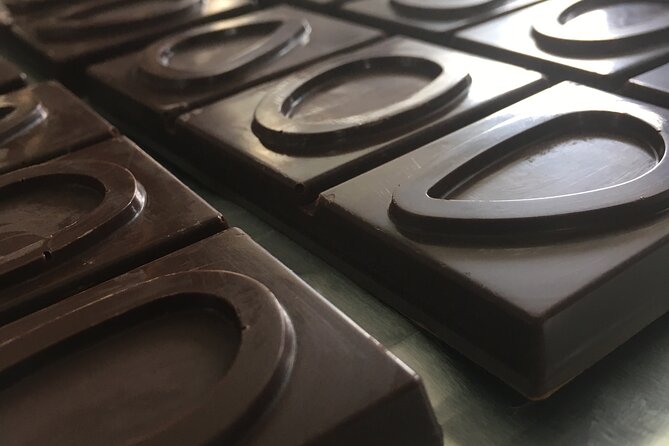
At 23 Harbour Lane in Historic Port Falmouth, you are not simply shown a tray of melted chocolate and asked to decorate it. The session begins with the wider story of cacao in Jamaica, including its use by the island’s earliest Indigenous Taíno people and its place in Jamaican food culture today.
That context matters. Chocolate can seem like a finished product that begins in a supermarket wrapper. Here, you start with the cocoa pod itself and learn that the familiar bar depends on farming, fermentation, drying, roasting, grinding, and tempering. Each stage changes the flavor and texture.
Nick leads the experience, drawing on his family’s cocoa-growing background in the area. He also explains his unusual route from BBC correspondent to chocolate maker. That personal shift gives the introduction a useful human angle: you are hearing about both Jamaican agriculture and the practical choices behind making chocolate by hand.
Marta is also part of the hosting team. The workshop is designed to feel social, so you get to know the people in your small group before the making begins. With a maximum of 12 people, the format should feel more like a kitchen lesson than a large demonstration, though the exact group size on your date can vary.
More dessert stops in Trelawny:
- Devon House Tour with Ice Cream from Kingston
★ 4.5 · 3 reviews
Seeing the pod before tasting the bar
One of the best parts is the chance to examine cacao in its original form. Nick introduces you to the pods and shows you what is inside the fruit. This is a useful correction to the usual image of cocoa as dry brown beans, since the beans begin inside a fresh tropical fruit.
You learn how the beans are fermented on the farm. Fermentation is not a side note. It is one of the key steps that develops the flavor we associate with chocolate, and it helps explain why raw cacao does not taste like a finished bar.
The lesson then follows the beans as they become nibs and are prepared for chocolate making. Nibs are the small pieces produced when cacao beans are processed, and they are much closer to the original crop than the smooth chocolate most people know.
I like this part because it gives you something concrete to remember. Afterward, you can look at a bar of chocolate and picture the pod, the beans, the fermentation, and the roasting that came first. The subject becomes easier to understand because you see the raw material rather than only hearing a list of steps.
Roasting cocoa in industrial machines
The workshop includes a roasting session using large industrial machines. This is where the process shifts from farm work to factory work, and it gives you a better sense of the scale involved in producing chocolate.
Roasting changes the aroma and flavor of cacao. You get to watch that stage rather than treating it as a mystery hidden inside a factory. The machines also add a practical note to the lesson: making chocolate at home is possible, but commercial production depends on equipment that most kitchens will not have.
That contrast sets up one of the most useful parts of the workshop. After showing you the industrial approach, Nick shares a simple home method for working with chocolate. You do not need to recreate a factory in your kitchen to understand the craft.
The factory setting is also part of the appeal. You are working in Historic Port Falmouth, on the edge of the Caribbean Sea, in a place closely tied to Jamaica’s port and colonial-era story. The location gives the workshop a sense of place, rather than making it feel like a generic cooking class that could happen anywhere.
Learning the hair-dryer tempering trick
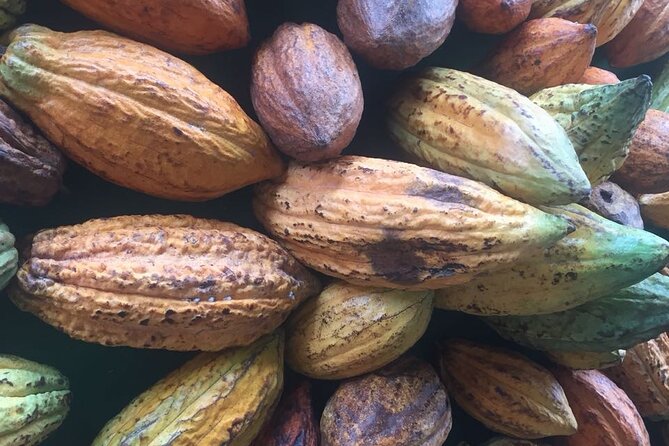
Tempering is the technical heart of the class. It is the process that helps chocolate set with a smooth finish and a firm snap. It can sound like a job for a professional kitchen, but Nick demonstrates how to temper chocolate at a table with a bowl, spatula, and hair dryer.
That is a particularly good takeaway for home cooks. You leave with a method that uses ordinary household tools, not specialized chocolate equipment. The hair dryer is the memorable part, but the useful lesson is learning to control the chocolate by working gradually and paying attention to its condition.
You should expect this to be a practical demonstration rather than a full professional confectionery course. The session lasts about 90 minutes, so it cannot cover every technical detail of chocolate production. Still, the method gives you a way to continue experimenting after you return home.
The all-vegan format is important here. The chocolate used is dark and vegan, so the class suits people who want plant-based sweets or who are curious about chocolate without dairy. If you prefer creamy milk chocolate, the flavor may be a change from your usual treat. The description suggests that the dark chocolate is spiced and distinctive, with a flavor likened to Christmas, so this is not a plain candy-making session.
More Drinking Tours in Trelawny:
- Appleton Rum Factory, Ys Falls, Black River Safari, Floyd’s Pelican Bar
★ 4.5 · 12 reviews - Negril One Love Bus Bar Crawl
★ 4.5 · 1,170 reviews - Reggae Catamaran and Snorkeling Open Bar Cruise Montego Bay
★ 4.0 · 453 reviews - YS Falls, Black River Safari, Appleton Rum Tour OR Pelican Bar (Choose Up to 3)
★ 5.0 · 90 reviews
Making Jamaican spiced chocolate
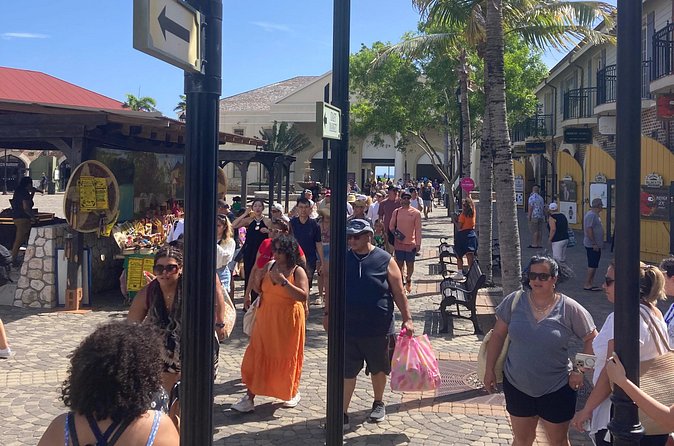
Once the group has learned the basic process, you make a traditional Jamaican spiced chocolate with a twist. This ties the practical work back to local food culture.
The spice element gives the activity a Jamaican identity. You are not only melting chocolate and adding random toppings. You are working with a flavor idea connected to the island, while still having room to make the finished product your own.
The social format helps here. You get to know the other people in the group before making the chocolate, then work through the process together. That can make the class a good choice for couples, families, or small groups who want an activity that involves conversation as well as tasting.
You should keep your expectations realistic. This is a short workshop, not a full-day culinary course, and the information provided does not specify every spice or inclusion available. What you can count on is a Jamaican spiced chocolate session followed by the chance to design your own bars.
Designing custom inclusion bars
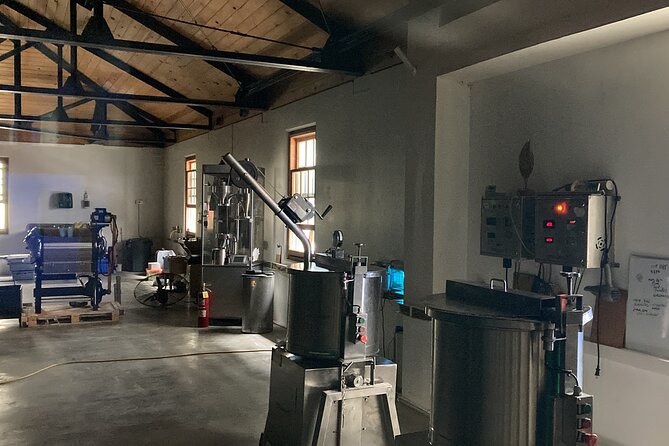
The final creative stage is making custom inclusion chocolate bars. Inclusions are the ingredients mixed into or added to chocolate for texture and flavor. The exact choices are not specified, so you should regard this as a guided custom-making activity rather than a menu with guaranteed options.
This is where the lesson becomes personal. Instead of receiving one standard bar made by someone else, you create a version that reflects your own choices. The finished bars are then unveiled at the end, giving the workshop a clear finish and a small souvenir you made yourself.
I find this more satisfying than a tasting alone. Tasting teaches you how chocolate differs from one batch to another, but making a bar helps you understand the decisions behind the result. You also have a physical reminder of the class, provided the bars are suitable for carrying after the session.
Because the experience is all dark chocolate, your custom bar will remain within that style. This is worth noting before you book. If you want milk, white, or mixed chocolate options, the information does not promise them.
Why the 90-minute format works
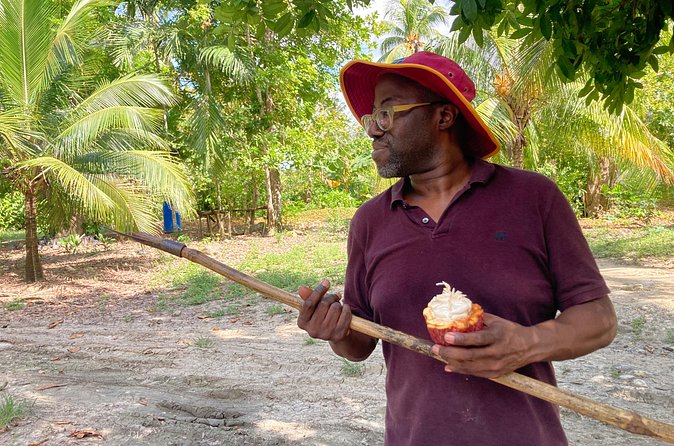
About an hour and a half is enough time to cover the main stages without turning the activity into a long lecture. You hear the background, see the cacao pod, watch the roast, learn a home tempering trick, and make chocolate in one compact morning session.
The short length also makes it useful for a port day. The meeting point is in Historic Port Falmouth, an area normally accessible mainly to cruise ship passengers, and the activity ends back at the starting point. It is near public transportation, which may help if you are making your own way around town.
You should plan around the stated 9:00 am start. One important practical detail is the difference between ship time and island time. Nick has accommodated an early arrival caused by a time-zone mix-up, but you should not depend on that kindness. Check the local time carefully before leaving your ship or accommodation.
The small maximum of 12 people is another advantage. A group this size gives the instructor a better chance to explain the process clearly and help with the hands-on stages. It also keeps the experience from becoming a crowded chocolate demonstration. The tradeoff is that popular dates may require advance planning. This activity is booked an average of 64 days ahead, so last-minute availability may be limited.
Judging the $75 price
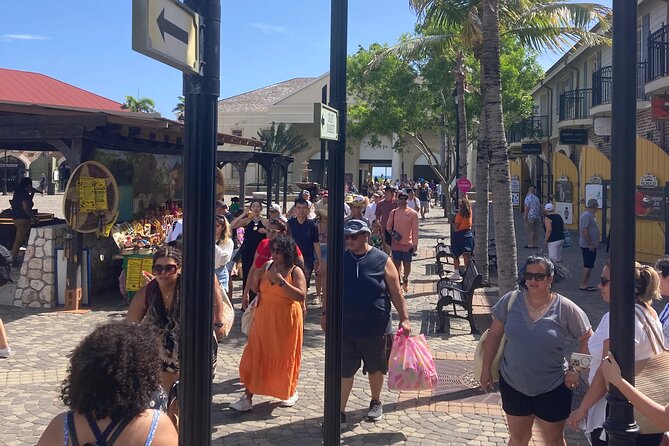
At $75 per person, this is not the cheapest way to eat chocolate in Jamaica. You are paying for more than samples, though. The price covers a guided lesson, local food history, access to the factory setting, roasting, tempering instruction, and the chance to make custom bars.
The value is strongest if you enjoy understanding how food is produced. You get a clear farm-to-finished-product explanation, with the added benefit of learning a method you can try at home. The family connection to local cocoa farming also gives the session a personal link to Falmouth rather than a purely commercial presentation.
The price may feel high if you only want a quick tasting or a simple souvenir. A short chocolate stop with no interest in process will not make full use of the 90 minutes. You should book this when the story, technique, and participation appeal as much as the final sweets.
For a couple or small group, it can also fill a useful gap in a port visit. It is compact, indoors, and tied to the local setting. Just allow enough time to reach the meeting point and return to your ship or next activity.
Who will enjoy this most
I would point this experience toward people who like food traditions, small workshops, and activities with a clear local connection. It suits anyone who wants more than a standard sightseeing stop and prefers to make something rather than simply look at it.
It is especially appropriate for:
- Chocolate fans willing to try dark, vegan chocolate
- Visitors interested in Jamaican agriculture and food culture
- Couples looking for a shared activity in Falmouth
- Families and small groups who enjoy practical demonstrations
- Cruise ship passengers with a free morning near the port
- Home cooks curious about hand tempering without specialist tools
It may be less suitable for someone who dislikes dark chocolate, wants a dairy-based recipe, or expects a full tour of a large working factory. The experience includes industrial roasting, but its main purpose is a guided chocolate-making workshop with history and tasting, not a long production-floor tour.
Practical details before you book
The meeting point is 23 Harbour Lane in Falmouth, Jamaica. The activity begins at 9:00 am and ends at the same place. Confirmation is provided when you book, and public transportation is nearby.
The stated duration is approximately one hour and 30 minutes. The maximum group size is 12 people, which supports the hands-on format but means you should check availability early if your schedule is fixed.
Free cancellation is available when you cancel at least 24 hours before the start time. Cancellations made less than 24 hours before the local start time are not refunded, and changes within that window are not accepted.
The strongest practical tip is to check the time twice if you are arriving by ship. Island time and ship time can differ, and the workshop starts promptly at the listed local time.
Should you book the Falmouth Chocolate Factory tour?
Book it if you want to connect Jamaican history, cocoa farming, and practical food making in one short session. The best reasons are the family connection to local cocoa, the pod-to-bar explanation, and the clever hair-dryer tempering method you can take home.
Skip it if you mainly want milk chocolate, a large factory tour, or a quick tasting with no instruction. For the right audience, $75 buys a personal lesson and a better understanding of how chocolate is made, not just another sweet stop in port.
FAQ
Where does the chocolate factory tour start?
The activity starts at 23 Harbour Lane in Falmouth, Jamaica.
What time does the experience begin?
The stated start time is 9:00 am.
How long does the experience last?
The activity lasts approximately one hour and 30 minutes.
Is the chocolate vegan?
Yes. The experience uses dark chocolate and is described as all vegan.
How many people can join the activity?
The experience has a maximum of 12 participants.
Can I cancel for a full refund?
Yes, if you cancel at least 24 hours before the experience start time. Cancellations or changes made less than 24 hours before the local start time are not accepted, and the amount paid is not refunded.
Just listed around Trelawny
- Round-trip Airport Transfer to Royalton Blue Waters & White Sands Hotel★ 5.0 · 3 reviews
- Montego Bay Catamaran Cruise and Snorkeling Tour from Falmouth★ 3.5 · 3 reviews
- Private Dunns River Falls and Beach Break Excursion from Falmouth★ 5.0 · 3 reviews
- Falmouth: Luminous Lagoon Boat Tour★ 3.3 · 3 reviews
- Half-Day Private Rafting Tour to Martha Brae from Falmouth★ 5.0 · 3 reviews
- Full Day Martha Brae Rafting & Luminous Lagoon Tour with Dinner★ 3.5 · 3 reviews
- Falmouth: Historic Sightseeing Tour★ 4.1 · 3 reviews
- Falmouth Shore Excursion: Dunns River Falls and River Tubing Tour★ 5.0 · 3 reviews
Trelawny Tours, compared.
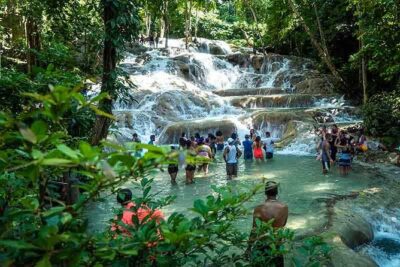
Triple Action pack Combo (Blue Hole, Horse back riding and river tubing)
Read our review →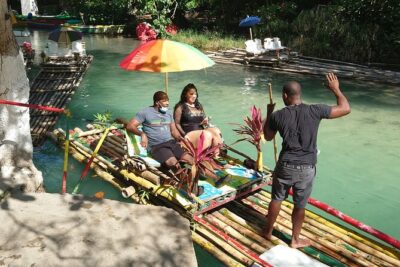
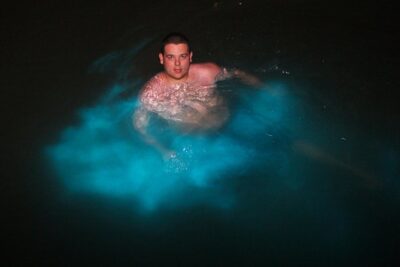
Mystic Luminescent Lagoon Night Cruise & Swim in Jamaica
Read our review →
Falmouth Waterfalls River Tubing and Beach Adventure
Read our review →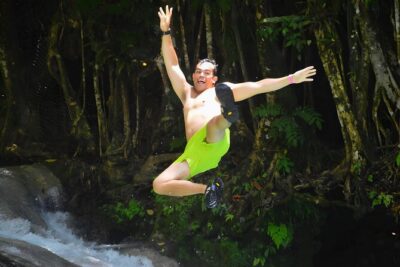
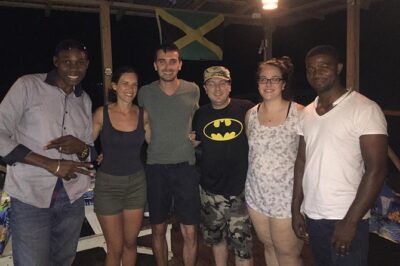
Explore Montego Bay to Luminous LagoonGlistening Water Night Tour
Read our review →
Montego Bay Airport transfers-Excellence,Royalton,Ocean Coral Spring(Round Trip)
Read our review →
Browse the lists this tour appears in